My iPhone is almost out of storage, and apps, photos, and system data seem to be taking up most of the space. I need help figuring out the best way to free up iPhone storage without deleting important photos, messages, or app data.
You can’t really expand an iPhone’s built-in storage the way you might with a computer. Some repair places may offer storage chip swaps, but that’s usually expensive, risky, and can leave you with a phone Apple may not want to touch later. For most people, the better answer is boring but effective: clear out the space that’s already being wasted.
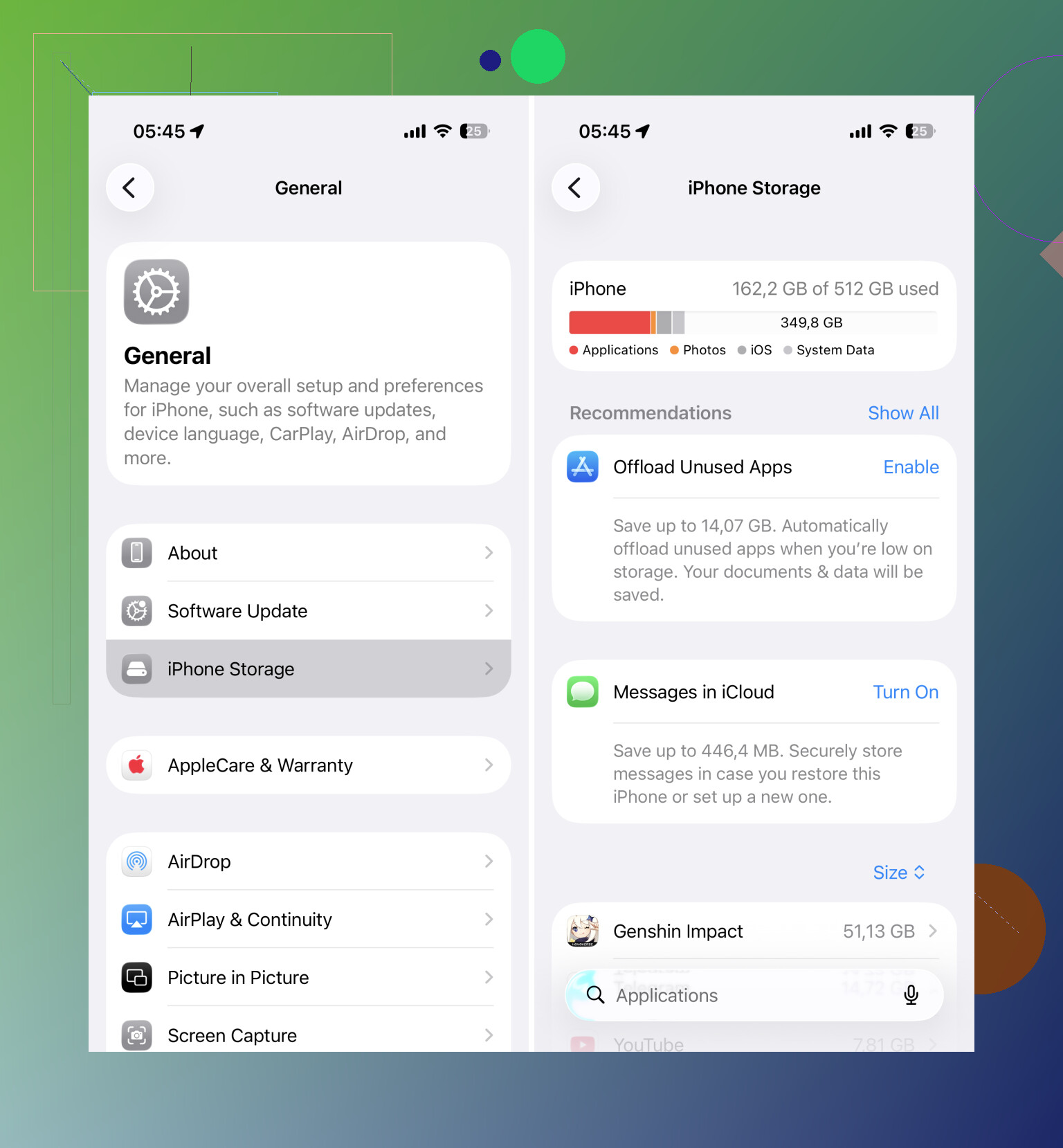
Start by checking what’s actually taking up room. Go to Settings > General > iPhone Storage. If your phone is always full, there’s a good chance Photos is near the top.
Apps, downloads, Messages attachments, and random documents usually need some manual cleanup. Photos and videos are easier to deal with in bulk, and that’s where you can often get the biggest win. I’d start there before thinking about replacing the phone.
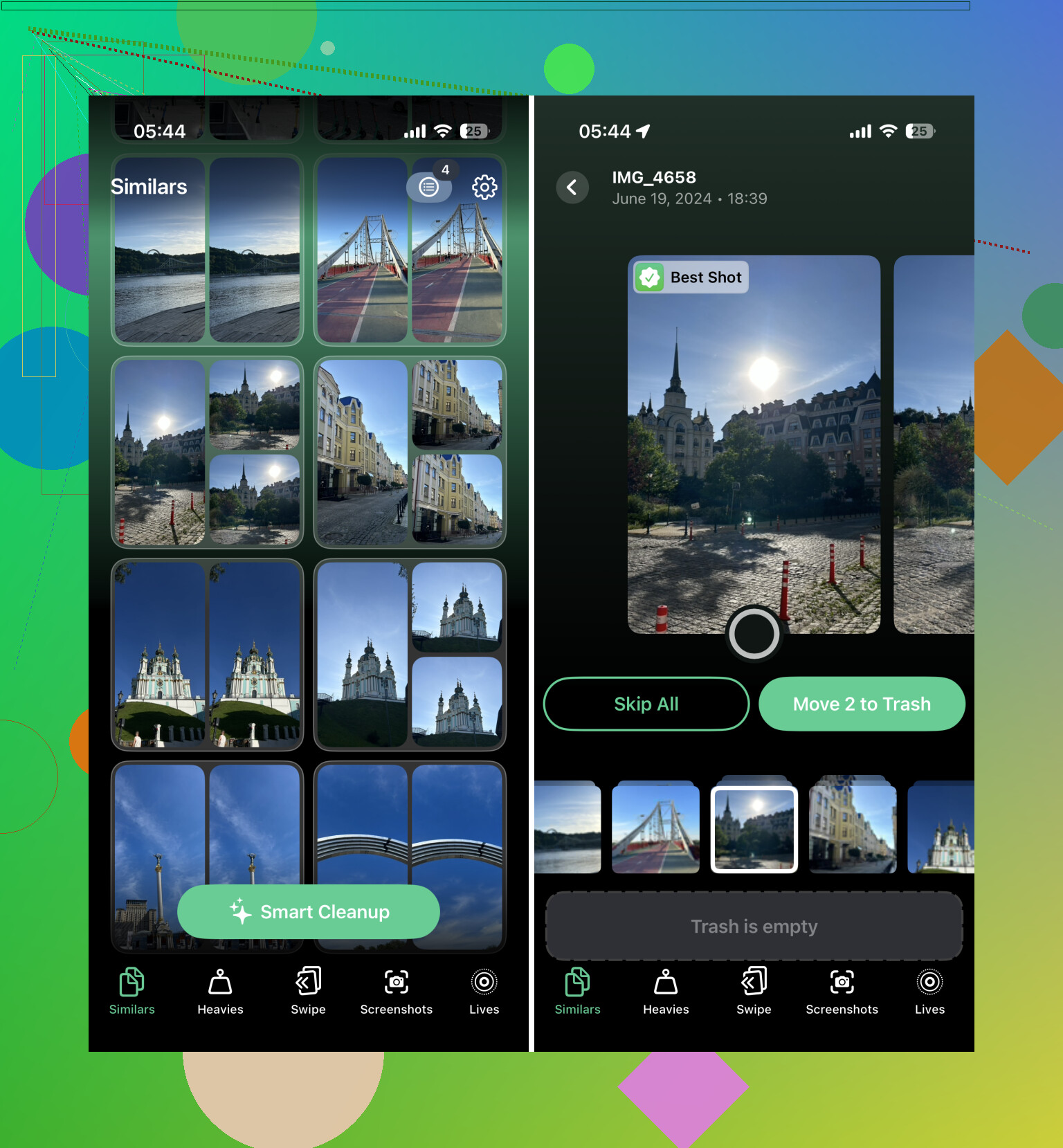
For photo cleanup, Clever Cleaner is worth trying. A lot of “free” cleaner apps are only free until you actually try to delete anything useful, but Clever Cleaner is currently free, has no ads, and lets you clean up your library without a subscription.
The main feature I’d use first is Similars. It doesn’t just look for exact duplicates. It groups shots that are close enough, picks what it thinks is the best one, and lets you delete the extras pretty quickly. That usually clears more space than Apple’s Duplicates album, since most clutter is from near-identical photos, not perfect copies.
Also check its Heavies section. That sorts out your largest videos, which matters because a few old 4K clips can eat multiple gigabytes by themselves. Deleting even a small number of those can make the storage warning disappear fast.
Turn on Optimize iPhone Storage
After you’ve cleaned out the obvious junk, go to Settings > Photos > Optimize iPhone Storage. With that on, your iPhone keeps smaller local versions of your photos and stores the full-resolution originals in iCloud. When you open something, the full version downloads as needed.
It’s a simple way to cut down local storage use, but the catch is iCloud space. Apple’s free plan only gives you 5 GB, so that may not be enough if you have a big library. If you don’t want to pay for more iCloud storage, moving older photos and videos to something like Google Drive can still help, as long as you make sure they’re safely backed up before deleting local copies.
Use external storage if you shoot a lot of video
If you regularly record long videos, especially 4K or ProRes, an external drive can make sense. Lightning and USB-C flash drives can be used to move finished files off the phone, and some camera apps can record straight to compatible external storage. That keeps huge video files from filling up the iPhone in the first place.
Know when the phone is just too small
If you’ve deleted unused apps, cleaned up photos and videos, turned on storage optimization, and the phone is still constantly full, then the storage size may simply be too low for how you use it.
A 64 GB or 128 GB iPhone is still fine for lighter use. It gets annoying fast if you shoot a lot of video, keep years of photos on the device, or install a bunch of large apps and games. You also need some free space for iOS updates and normal background tasks.
Still, I’d do a serious cleanup before buying a new iPhone. Removing similar photos and large videos with something like Clever Cleaner, plus clearing out old apps and files manually, can sometimes recover tens of gigabytes. That may be enough to put off an upgrade for a while.
4 Likes
A phone with 10 GB of duplicate photos is a different problem from a phone where “System Data” keeps swallowing the last few gigabytes. The photo-cleaner idea above is fine if Photos is the culprit, but don’t ignore the boring fixes first: restart the phone, update iOS if there’s an update waiting, clear Safari website data, delete old downloaded music/podcasts/Netflix videos, and offload apps instead of deleting them if you want to keep their data. For Messages, set audio/video attachments to be reviewed manually before wiping whole conversations. If System Data is huge and stays huge after a restart, the most reliable fix is often an encrypted computer backup, erase the iPhone, then restore. Annoying, but it can clear caches that normal cleanup never touches.
Deleting photos after turning on iCloud Photos can still delete them everywhere, which catches a lot of people. “Optimize iPhone Storage” saves local space by keeping smaller copies on the phone, but it is not the same thing as an archive. If you delete a photo from the iPhone while it’s syncing with iCloud, you’re usually deleting it from iCloud too. For photos you truly want off the phone but still kept, export them first to a computer, external drive, Google Photos/Drive, OneDrive, etc., then confirm they’re there before removing anything.
The fastest cleanup I’d do is less glamorous than a cleaner app: open Settings > General > iPhone Storage and tap the biggest categories. For Messages, don’t delete whole chats unless you’re sure. Go into the large attachments review and remove old videos, GIFs, and forwarded junk. Then check the Files app, especially Downloads and On My iPhone. A lot of people clear Photos and apps but forget they have old ZIP files, PDFs, GarageBand projects, or video exports sitting there.
I agree with @viaggiatoresolare that a backup, erase, and restore can fix bloated System Data, but I’d save that for after the obvious stuff because it’s a pain and you need a reliable backup first. Also remember to empty Recently Deleted in Photos after cleanup, otherwise the space may not come back right away. Same idea with deleted files in Files. If you only need breathing room for an iOS update, removing a couple of large videos or temporarily offloading one big game is usually faster than trying to perfectly clean the whole phone.